


A hyaluronic acid face wash is one of the easiest ways to clean your skin without leaving it tight, dry, or uncomfortable. When you choose the right formula, it can remove sweat, sunscreen, and pollution while keeping your skin soft, smooth, and glowing. This guide explains what hyaluronic acid is, how a hyaluronic acid face wash works, who it suits best, and how to build a simple routine that keeps your skin hydrated every day.
What Is a Hyaluronic Acid Face Wash?
A hyaluronic acid face wash is a cleanser that uses hyaluronic acid, a powerful moisture‑attracting ingredient, to wash your skin without stripping its natural oils. Hyaluronic acid works like a sponge and can hold up to 1,000 times its weight in water, helping your skin stay plump and comfortable after cleansing.
In simple terms, this kind of cleanser removes dirt, sweat, sunscreen, and light makeup while leaving behind a thin layer of hydration. It is usually formulated as a gel, cream, or lotion that feels gentle and non‑foaming or low‑foaming, which is ideal for dry or sensitive skin types.
Key Benefits of Hyaluronic Acid Face Wash for Dry and Sensitive Skin
 A hyaluronic acid face wash is especially helpful if your skin feels tight or itchy after washing with regular foaming cleansers. Instead of that “squeaky clean” feeling, you get soft, bouncy skin that is ready for serum and moisturizer.
Main benefits include:
- Added hydration that reduces dryness and flakiness.
- A smoother skin texture with fewer fine lines caused by dehydration.
- Better skin barrier function, which helps your skin stay calm and less red over time.
- Gentler cleansing for sensitive or reactive skin, especially when formulas are fragrance‑free and sulfate‑free.
In one clinical study, a topical hyaluronic acid serum increased skin hydration by about 55% after six weeks and improved smoothness, plumping, and fine lines. While this study used a serum, the same ingredient in a hydrating cleanser can support a similar moisture‑boosting routine.
How to Choose the Best Hyaluronic Acid Face Wash for Your Skin Type
Picking the right hyaluronic acid face wash depends on your skin type and how your skin behaves after cleansing. Use the tips below to match the formula to your needs.
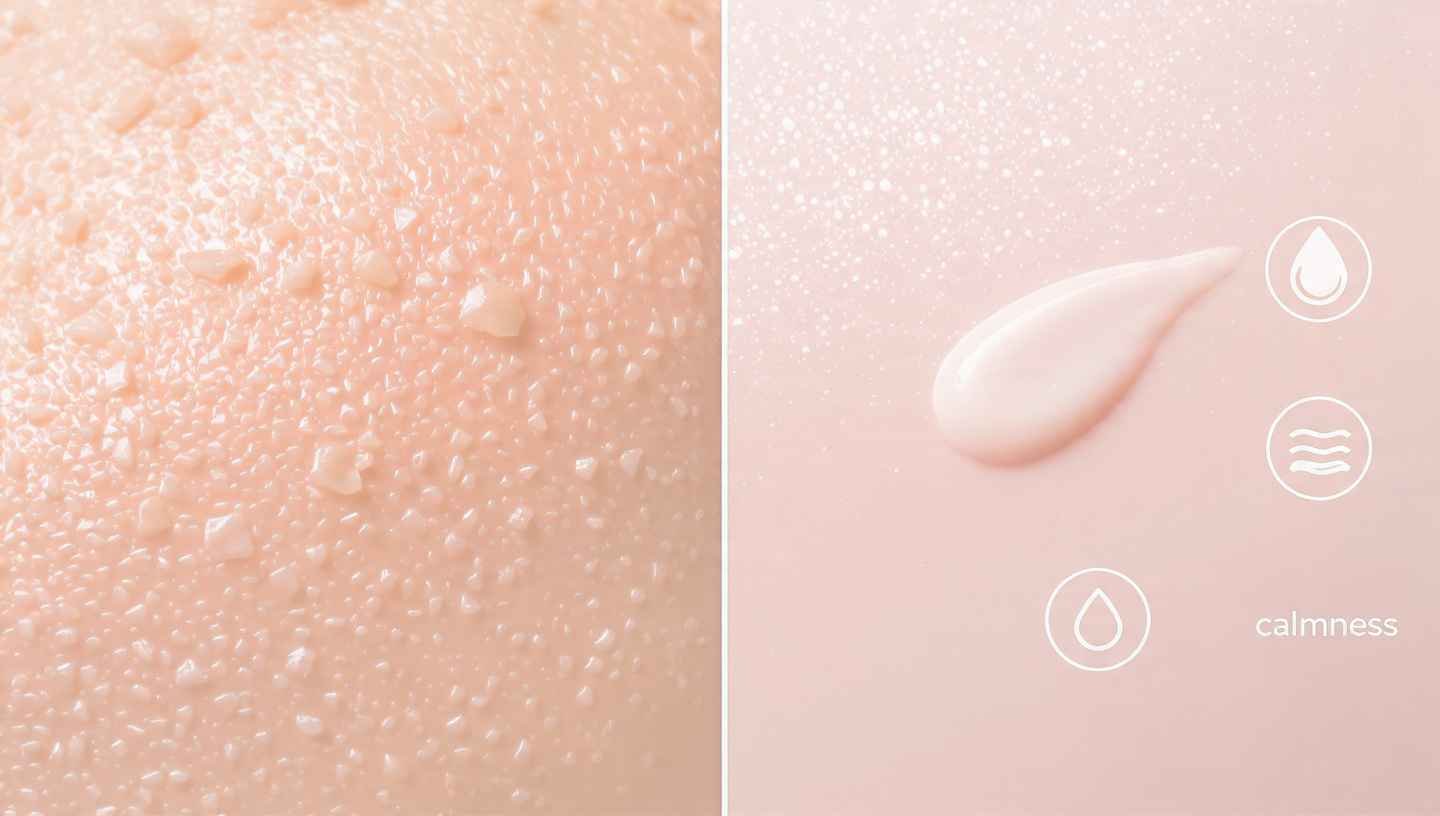 Dry or Dehydrated Skin
If your face feels rough, flaky, or tight, look for:
- Creamy or milky hyaluronic acid face wash textures.
- Ingredients like glycerin, ceramides, panthenol, and squalane to lock in moisture.
- “Soap‑free,” “sulfate‑free,” and “non‑stripping” on the label.
Avoid:
- Strong foaming agents like sodium lauryl sulfate (SLS).
- High‑alcohol formulas that evaporate quickly and leave skin drier.
Sensitive Skin
If your skin stings easily or turns red after washing:
- Pick a fragrance‑free hyaluronic acid face wash with minimal ingredient lists.
- Look for soothing ingredients such as allantoin, bisabolol, or madecassoside.
- Test new cleansers on a small patch of skin near the jawline for a few days.
Skip:
- Strong fragrances and essential oils like peppermint or citrus.
- Rough scrubs with large physical exfoliating beads.
Acne‑Prone or Combination Skin
Acne‑prone skin still needs hydration, especially if you use drying treatments. In this case:
- Choose a lightweight gel hyaluronic acid face wash labeled “non‑comedogenic.”
- Look for gentle helpers such as niacinamide or zinc to calm redness and oil.
- Use a separate targeted acne treatment rather than relying on a harsh cleanser.
Aging or Dull Skin
If fine lines or dullness bother you:
- Use a hyaluronic acid face wash with antioxidants like vitamin E, green tea, or peptides.
- Combine it with a hyaluronic acid serum and sunscreen for stronger anti‑aging benefits.
Studies show consistent use of hyaluronic acid improves hydration and can visibly reduce fine lines within about four to six weeks.
Step‑by‑Step Routine Using Hyaluronic Acid Face Wash
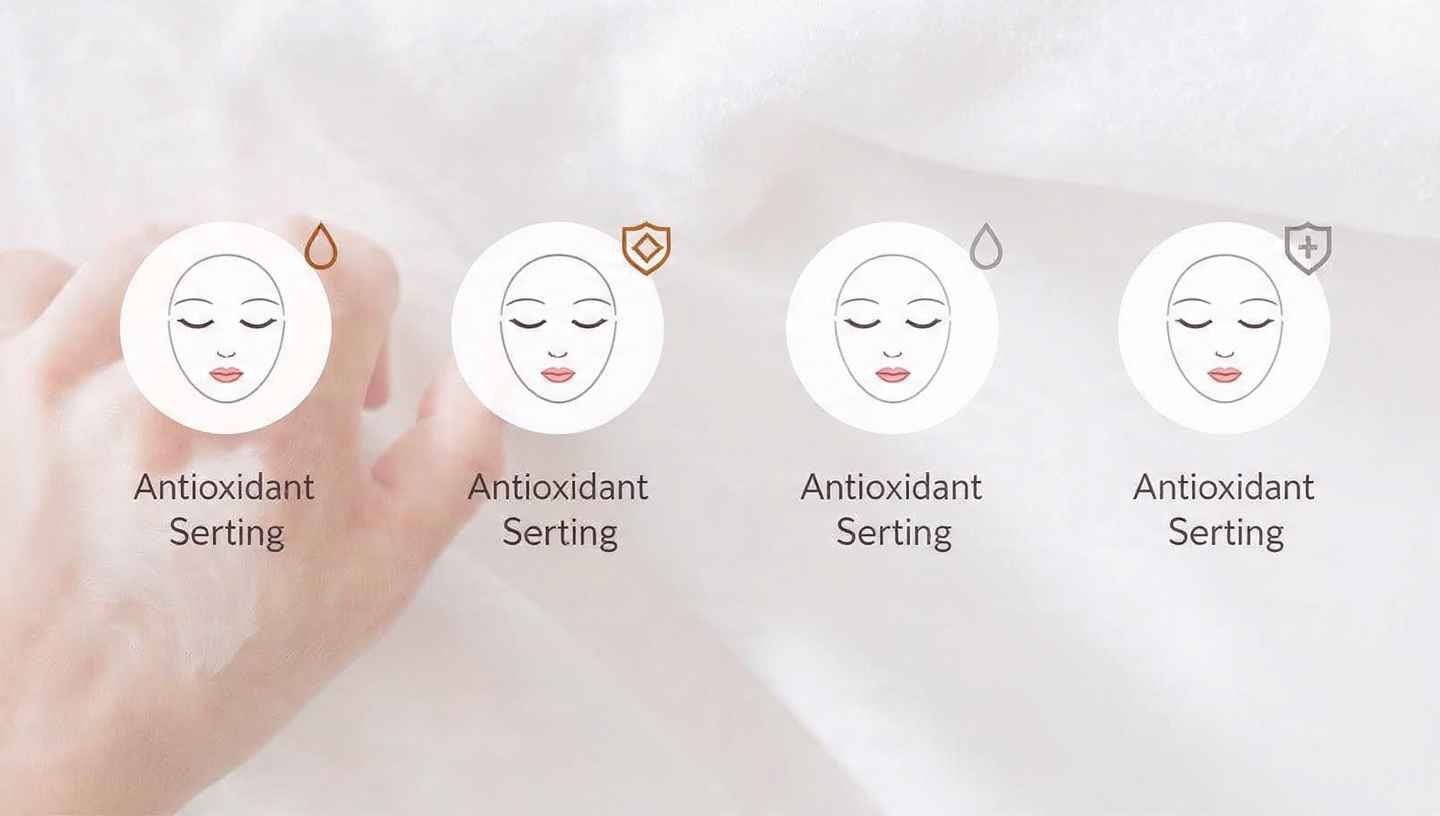 A simple routine with a hyaluronic acid face wash can keep your skin hydrated morning and night. Follow these easy steps.
Morning Routine
- Cleanse
- Wet your face with lukewarm water, not hot water.
- Gently massage a small amount of hyaluronic acid face wash into your skin for 30–60 seconds.
- Hydrating Toner or Mist (Optional)
- If your skin is very dry, apply a hydrating toner on damp skin to add an extra moisture layer.
- Serum
- Use a hyaluronic acid serum or a gentle antioxidant serum while your skin is still slightly damp to boost hydration.
- Moisturizer
- Lock everything in with a cream or gel moisturizer that matches your skin type.
- Sunscreen
- Finish with broad‑spectrum SPF 30 or higher every morning to protect your skin barrier and prevent moisture loss.
 Evening Routine
- Makeup/Sunscreen Removal (Double Cleansing)
- If you wear heavy makeup or water‑resistant sunscreen, start with an oil or balm cleanser.
- Rinse and follow with your hyaluronic acid face wash to remove any leftover residue.
- Treatment Step (Optional)
- Apply retinol, gentle exfoliating acids, or acne treatment only if your skin tolerates them well.
- Serum + Moisturizer
- Use hydrating serums and a slightly richer night cream to help your skin repair while you sleep.
- Extra Hydration Tip
- If you live in a very dry climate or sleep in air‑conditioning, use a humidifier to keep some moisture in the air, which supports hyaluronic acid’s water‑binding effect.
Common Mistakes When Using Hyaluronic Acid Face Wash
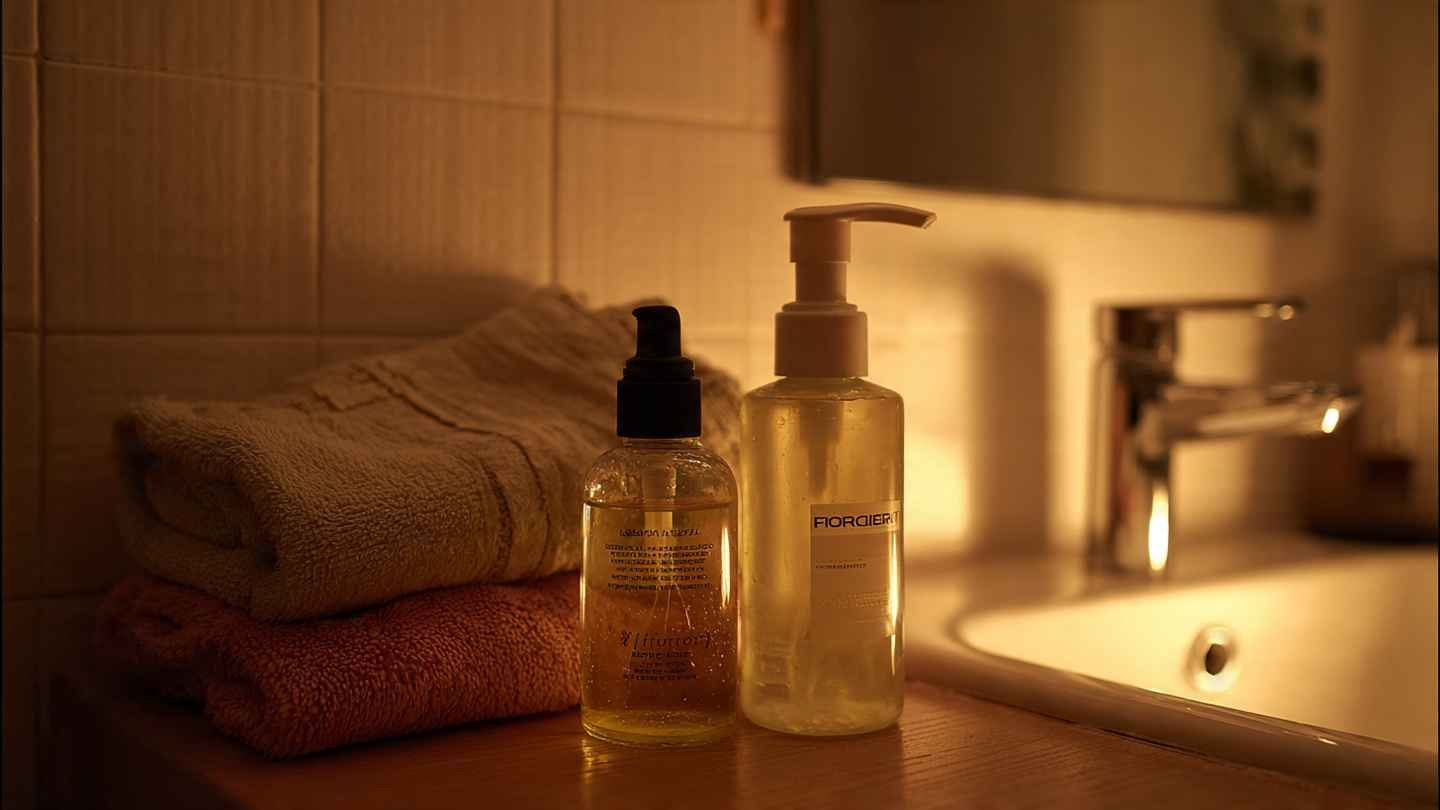 Even the best hyaluronic acid face wash cannot fix dryness if a few simple rules are ignored. Avoid these common mistakes to get the best results.
- Using hot water
- Very hot water strips natural oils and can leave your face red and tight.
- Over‑cleansing
- Washing more than two times a day can damage the skin barrier, especially if you already use exfoliants or acne treatments.
- Not applying products on damp skin
- Hyaluronic acid works best when there is some water on your skin to hold onto, so apply serum and moisturizer soon after cleansing.
- Skipping moisturizer
- Without a moisturizer to seal it in, hyaluronic acid can sometimes pull water from deeper layers of the skin, making dryness worse in very dry air.
- Mixing too many strong actives
- Layering powerful acids, scrubs, and retinoids with a new cleanser can irritate your skin; introduce one product at a time.
Lifestyle and Daily Habits That Support Hydrated Skin
Skincare works best when combined with healthy daily habits. Simple changes can make your hyaluronic acid face wash and other products more effective.
Helpful habits include:
- Drinking enough water throughout the day to support overall hydration.
- Eating omega‑3‑rich foods (like nuts and fatty fish) and colorful fruits and vegetables that provide antioxidants.
- Limiting long, very hot showers that dehydrate the skin barrier.
- Protecting your face from harsh wind, strong sun, and indoor heating with scarves, sunscreen, and a good moisturizer.
When a Hyaluronic Acid Face Wash Is Not Enough
Sometimes dryness, redness, or irritation is a sign of a deeper skin condition. In those cases, a hyaluronic acid face wash will help, but it may not be enough on its own.
Consider seeing a dermatologist if you notice:
- Cracks, bleeding, or painful patches around your nose, mouth, or eyelids.
- Rashes, bumps, or itchiness that do not improve after several weeks of gentle care.
- Sudden changes in your skin after starting a new medication or treatment.
A professional can help you diagnose conditions like eczema, seborrheic dermatitis, or allergies and recommend treatments that work alongside your daily routine.
FAQs About Hyaluronic Acid Face Wash
Is a hyaluronic acid face wash good for very dry or flaky skin?
Yes, a hyaluronic acid face wash is usually a great choice for very dry or flaky skin because it cleanses while adding moisture instead of removing it. Look for creamy, sulfate‑free formulas and always follow with a rich moisturizer.
Can I use a hyaluronic acid face wash every day?
Most people can use this type of cleanser twice a day without problems. If your skin is extremely sensitive, start with once daily in the evening and monitor how your skin feels for a week or two.
Should I still use serum and moisturizer if I already use a hyaluronic acid face wash?
Yes, a hyaluronic acid face wash prepares your skin but does not replace serums and moisturizers. Using a hydrating serum and cream afterward helps lock in moisture and supports long‑term smoothness and plumpness.
Is hyaluronic acid face wash safe for acne‑prone or sensitive skin?
Hyaluronic acid itself is generally gentle and non‑irritating, even for sensitive or acne‑prone skin. Choose non‑comedogenic, fragrance‑free formulas and avoid scrubbing too hard to prevent redness or breakouts.
How long does it take to see results from a hyaluronic acid face wash?
Some people notice softer, smoother skin in a few days, especially when they combine the cleanser with hydrating products. Bigger improvements in texture and fine lines typically appear after four to six weeks of consistent use.
Can I combine hyaluronic acid face wash with retinol or vitamin C?
Yes, a gentle hyaluronic acid face wash pairs well with retinol and vitamin C because it helps reduce dryness and irritation from these active ingredients. Always introduce strong actives slowly and follow them with a soothing moisturizer and sunscreen.
Can teenagers use hyaluronic acid face wash?
Teenagers with dry or combination skin can safely use this kind of cleanser, especially if acne treatments are drying their skin. Look for simple, fragrance‑free formulas and avoid adding too many extra products at once.
Make Hyaluronic Acid Face Wash the Hydrating Start to Your Routine
A hyaluronic acid face wash is a simple upgrade that can make a big difference to how your skin feels right after cleansing. By choosing a gentle, sulfate‑free formula that suits your skin type and pairing it with hydrating serums, moisturizers, and daily sunscreen, you support a strong, healthy skin barrier and a naturally radiant glow.
If your current cleanser leaves your face tight or flaky, switch to a hyaluronic acid face wash for at least four weeks and track how your skin responds. For even better results, combine this routine with good lifestyle habits and, if needed, advice from a dermatologist to keep your skin comfortable, calm, and deeply hydrated.
References:
- https://www.dotandkey.com/blogs/skin-care/hyaluronic-acid-face-wash-benefits
- https://pmc.ncbi.nlm.nih.gov/articles/PMC8322246/
- https://www.cetaphil.com/us/skincare-tips/skincare_guides/hyaluronic-acid-for-skincare
- https://www.lorealparis.co.in/beauty-magazine/skin-care-blogs/routine-hyaluronic-acid-in-all-its-glory